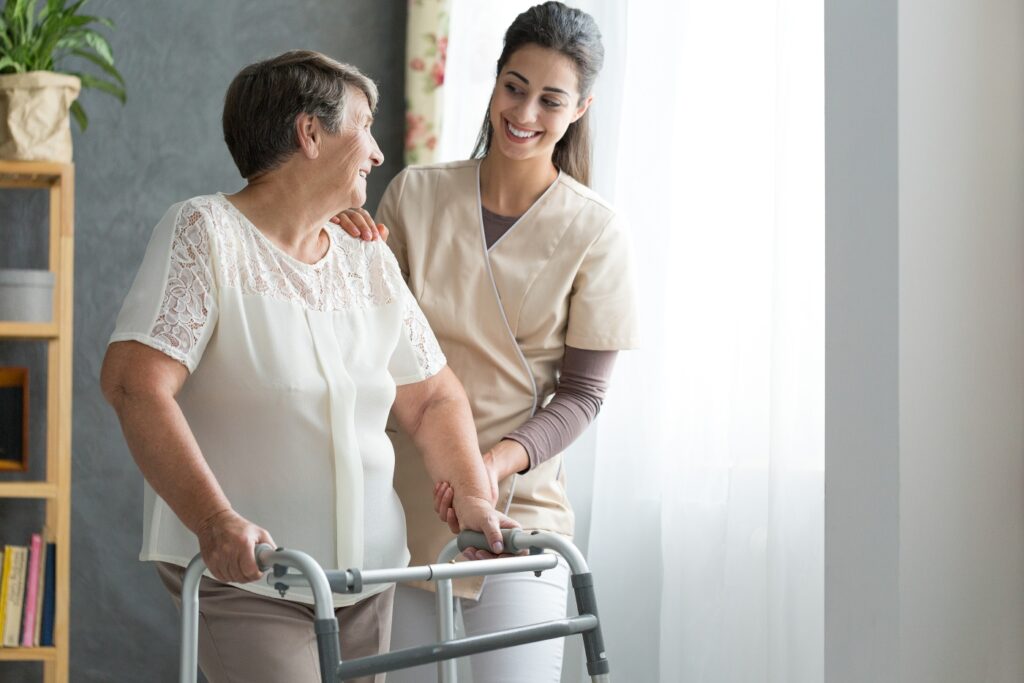
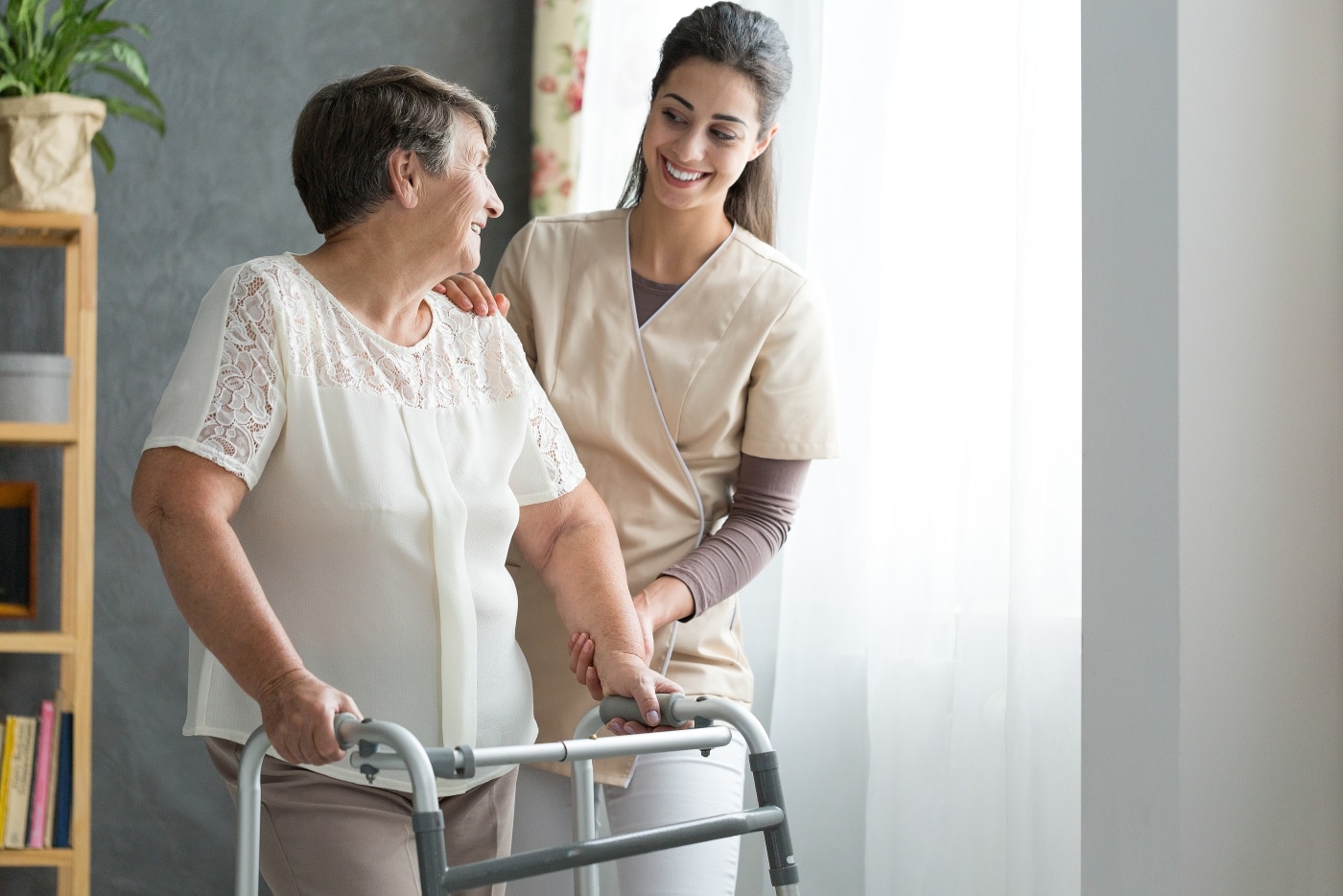
For many older adults, independence isn’t just about moving freely—it’s about maintaining control, confidence, and a sense of purpose. When mobility becomes limited due to age, injury, or illness, that independence can feel out of reach. Yet, with compassionate home care assistance, seniors can continue to live safely, comfortably, and confidently in their own homes. At Home Care Matters, we believe that limited mobility shouldn’t limit life—it simply calls for the right kind of support.
Understanding the Impact of Limited Mobility
Limited mobility can stem from a variety of causes—arthritis, balance problems, stroke, joint pain, or chronic health conditions. Regardless of the cause, the effects often extend beyond physical limitations. Tasks like getting dressed, preparing meals, or moving from room to room can take extra time or feel risky.
The emotional impact is equally significant. Many seniors describe frustration, embarrassment, or fear of falling as barriers that keep them from staying active or socializing. Over time, these feelings can lead to isolation or depression.
Still, most individuals with limited mobility want the same thing: to maintain as much independence as possible while remaining at home. That’s where home care assistance makes an enormous difference. With the right combination of physical support, encouragement, and planning, daily life becomes not just manageable—but meaningful again.
The Role of Home Care Assistance in Supporting Independence
Home care assistance provides tailored, one-on-one support designed around each person’s abilities and preferences. The goal is not to take over, but to empower.
Caregivers help with tasks such as:
- Bathing, grooming, and dressing safely
- Transferring in and out of bed or chairs
- Light housekeeping and laundry
- Preparing balanced meals
- Medication reminders and monitoring
- Safe transportation to appointments and activities
By focusing on what an individual can do and assisting only where needed, caregivers preserve autonomy. This approach helps seniors maintain confidence while ensuring they remain safe and supported throughout the day.
Another key benefit of home care assistance is adaptability. As mobility or health needs change, the care plan adjusts. That flexibility ensures consistent, appropriate support without taking away independence.
Practical Ways Caregivers Promote Independence
Caregivers play a hands-on role in creating a safe and empowering environment for those with limited mobility. Here are several ways they help make daily living easier and more fulfilling:
- Encouraging safe movement: Caregivers assist with walking, balance, and transferring, reducing fall risk while promoting regular activity.
- Supporting exercise or therapy routines: Gentle exercises recommended by physical or occupational therapists can be guided at home.
- Improving home safety: From rearranging furniture to installing grab bars, caregivers help make living spaces more accessible.
- Preparing nutritious meals: Balanced meals provide the strength and energy necessary for mobility and recovery.
- Assisting with errands and transportation: Whether it’s a doctor’s visit or a trip to the grocery store, caregivers ensure safe, reliable travel.
- Encouraging hobbies and interests: Engaging in familiar activities like gardening, reading, or crafts helps seniors feel active and fulfilled.
These everyday actions restore a sense of independence that might otherwise be lost to mobility challenges. With the right help, daily life remains enjoyable and purposeful.
Emotional and Social Benefits of Home Care Assistance
Independence isn’t just physical—it’s emotional, too. Limited mobility can lead to loneliness, especially when leaving home becomes difficult. Having a compassionate caregiver changes that dynamic completely.
Through home care assistance, seniors gain companionship that uplifts their spirit and encourages engagement. Simple conversations, shared meals, or even a quiet walk outdoors help rebuild confidence and connection.
Emotional wellness directly influences physical health. Studies consistently show that seniors who stay socially active experience lower rates of depression, improved memory, and better overall well-being. By combining physical support with emotional companionship, caregivers help seniors thrive both in body and mind.
Family Peace of Mind and Collaboration in Care
Caring for a loved one with limited mobility can be rewarding but also overwhelming. Family members often worry about falls, fatigue, or the ability to manage daily routines. Home care assistance provides reassurance that their loved one is not only safe but also living with dignity and engagement.
Caregivers collaborate closely with families, sharing updates about progress, health observations, or new needs that arise. This teamwork ensures that everyone is aligned and confident in the care being provided. Families can focus on spending quality time—sharing stories, meals, and laughter—without constant worry or exhaustion.
At Home Care Matters, this partnership is at the heart of what we do. We view caregiving as a shared effort between our professionals and the families we serve, creating a circle of trust and compassion that supports the whole household.
Encouraging Independence at Every Stage
Maintaining independence doesn’t mean doing everything alone—it means having the right support to live life fully and safely. Home Care Assistance empowers seniors to set their own pace, make choices, and stay involved in daily activities that give their lives meaning.
For one person, independence might mean walking to the mailbox with confidence. For another, it could mean continuing to cook favorite recipes with a caregiver’s steady hand nearby. Every act of participation reinforces purpose and pride.
Caregivers also help seniors celebrate these small victories, which are powerful motivators in maintaining progress and positivity. Over time, this consistent encouragement transforms both outlook and ability, reminding individuals that limited mobility does not define who they are—or what they can still achieve.
A Life of Dignity and Confidence
Limited mobility brings challenges, but it doesn’t have to take away independence. With personalized Home Care Assistance, seniors receive the physical, emotional, and social support needed to live with comfort and dignity.
At Home Care Matters, we believe in care that empowers, not restricts. Our caregivers help individuals rediscover confidence in their abilities, one step and one day at a time. Independence isn’t lost—it’s simply redefined, supported by compassionate care that respects every person’s right to live life on their own terms.
If you or an aging loved one could benefit from home care assistance in Buford, GA, call Home Care Matters. We can answer your questions about home care and help you learn more about options for care. Call today (770) 965-4004.

Valerie has the unique experience with home care as she has experienced it from both ends of the spectrum, as a caregiver and as needing care herself as a cancer survivor. Valerie says, “Taking care of someone you love is a physically, mentally and demanding labor of love.Taking care of my mom was the hardest thing I have ever done. It has given me an insight and perspective not many people understand unless you are doing it or have done it.I loved taking care of my mom.I love helping others take care of their love ones too.And now that I’ve been sick, it’s given me a whole new level of empathy and understanding for those who are sick and need help.”
Valerie’s schedule varies daily, but she loves visiting with our clients, families, caregivers, our network partners and being in the office.Says Valerie, “Every day is different, but I wake up excited about what we do, inspired by our team, clients and caregivers.I strive to be a resource to the community.I love my team and I love what we do every day. I like to think my mom would be proud.”
You can reach Valerie by email (Valerie@homecarematters.com) or in our office (770.965.4004).
- How In-Home Alzheimer’s Care Helps Your Parent Stay Safe and Comfortable - December 26, 2025
- After the Fall: How Home Care Helps Seniors Recover Safely at Home - December 19, 2025
- Supporting Seniors with Memory Challenges Through Compassionate Senior Home Care - December 12, 2025