Food Safety Education Month reminds seniors, caregivers, and families that healthy kitchen habits are an important part of safe aging. Proper food handling, safe storage, and nutritious meal preparation can help reduce the risk of foodborne illness while supporting overall health and independence. Simple changes in the kitchen can make everyday living safer and more enjoyable for older adults.
Observed every September, Food Safety Education Month encourages everyone to practice safe food handling and preparation. For seniors, these habits are especially valuable because the immune system may become less effective with age, making food safety an important part of maintaining good health. This month is an excellent opportunity for families and caregivers to review kitchen routines and create a safer home environment.
Why Food Safety Matters for Seniors
Healthy meals begin with safe food preparation. Practicing good food safety can help older adults stay healthier and continue living independently.
Benefits include:
- Reducing the risk of foodborne illness
- Supporting overall wellness
- Encouraging healthy eating habits
- Protecting immune health
- Promoting confidence in the kitchen
- Supporting independent living
Even small improvements can have a positive impact on daily health.
Wash Hands Before Preparing Meals
Clean hands are one of the simplest ways to prevent germs from spreading.
Remember to:
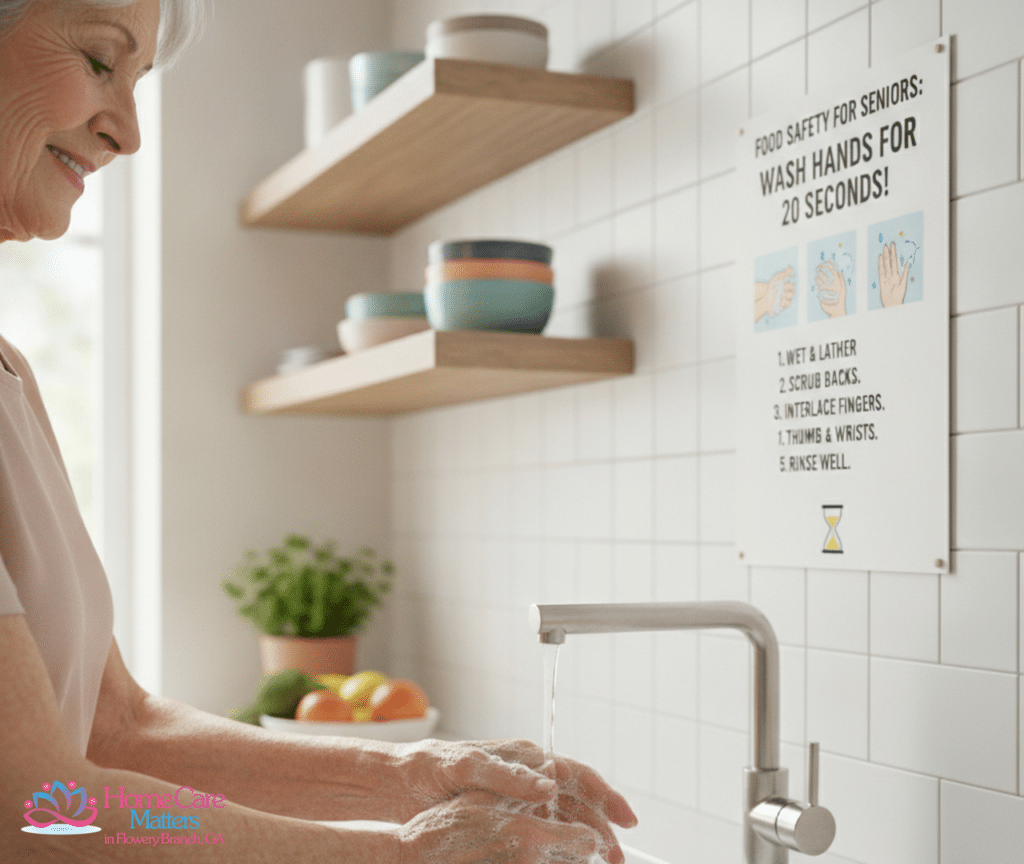
- Wash hands with soap and water for at least 20 seconds
- Wash before preparing food
- Wash after handling raw meat, poultry, or seafood
- Wash after touching pets or taking out the trash
- Dry hands with a clean towel
- Encourage caregivers to follow the same routine
Proper handwashing helps keep meals safe for everyone.
Store Food Safely
Correct food storage helps maintain freshness and reduces waste.
Good habits include:
- Refrigerating perishable foods promptly
- Keeping the refrigerator at a safe temperature
- Labeling leftovers with the date
- Using airtight containers
- Checking expiration dates regularly
- Throwing away spoiled food
An organized refrigerator makes it easier to find healthy foods and avoid unsafe items.
Prevent Cross-Contamination
Keeping raw and cooked foods separate is an important food safety practice.
Helpful tips include:
- Use separate cutting boards for raw meat and vegetables
- Wash knives and utensils after each use
- Keep raw foods away from ready-to-eat meals
- Clean countertops before and after cooking
- Use clean plates for cooked food
- Wash fresh fruits and vegetables thoroughly
These simple habits help reduce the spread of harmful bacteria.
Choose Nutritious Foods
Healthy meals support energy, strength, and overall well-being.
A balanced meal may include:
- Fresh fruits
- Colorful vegetables
- Whole grains
- Lean proteins
- Low-fat dairy products
- Plenty of water
Nutritious meals help seniors stay active and maintain their independence.
Make the Kitchen Safer
A well-organized kitchen supports both food safety and accident prevention.
Families can:
- Keep frequently used items within easy reach
- Improve lighting around work areas
- Clean spills immediately
- Store heavy cookware on lower shelves
- Remove unnecessary clutter
- Use non-slip mats where appropriate
A safer kitchen encourages confidence while preparing meals.
Prepare Seasonal Meals
September is a great time to enjoy fresh, seasonal ingredients that are both nutritious and flavorful.
Healthy seasonal choices include:
- Apples
- Sweet potatoes
- Spinach
- Broccoli
- Pears
- Whole grain recipes
Preparing seasonal meals keeps menus interesting while supporting healthy eating habits.
Encourage Family Involvement
Cooking together creates meaningful moments while promoting healthy routines.
Families can:
- Prepare meals together
- Organize the pantry
- Review food expiration dates
- Share favorite healthy recipes
- Shop for fresh ingredients
- Enjoy meals at the table
These activities strengthen family connections while encouraging better nutrition.
Support Caregivers With Simple Meal Planning
Family caregivers often play an important role in meal preparation.
Helpful meal planning tips include:
- Create weekly menus
- Prepare ingredients in advance
- Freeze extra portions
- Keep healthy snacks available
- Make grocery lists
- Schedule regular pantry checks
Planning ahead saves time and helps ensure nutritious meals are always available.
Stay Hydrated
Good hydration is an important part of healthy aging.
Encourage seniors to:
- Drink water throughout the day
- Include water-rich fruits and vegetables
- Limit sugary drinks
- Keep a water bottle nearby
- Drink fluids with meals
- Watch for signs of dehydration
Staying hydrated supports overall health and daily energy.
Build Lifelong Healthy Habits
Food Safety Education Month is a reminder that healthy kitchen routines should continue throughout the year.
Simple daily habits include:
- Washing hands before meals
- Cleaning kitchen surfaces
- Storing food correctly
- Cooking meals safely
- Eating balanced meals
- Keeping the kitchen organized
These small actions help seniors maintain their health and independence.
Final Thoughts
Food Safety Education Month is an excellent opportunity for seniors, families, and caregivers to strengthen healthy kitchen habits. Safe food preparation, proper storage, balanced nutrition, and an organized kitchen all contribute to healthier aging and greater independence. By working together and making food safety part of everyday life, families can help older adults enjoy nutritious meals, reduce health risks, and continue living safely and confidently at home throughout the year.

- How to Judge the Reliability of Online Information - September 18, 2026
- How Can Organize Your Medical Information Month Help Families Manage a Senior’s Healthcare Needs? - September 17, 2026
- How Can Global Handwashing Day Encourage Better Infection Prevention for Older Adults? - September 15, 2026