
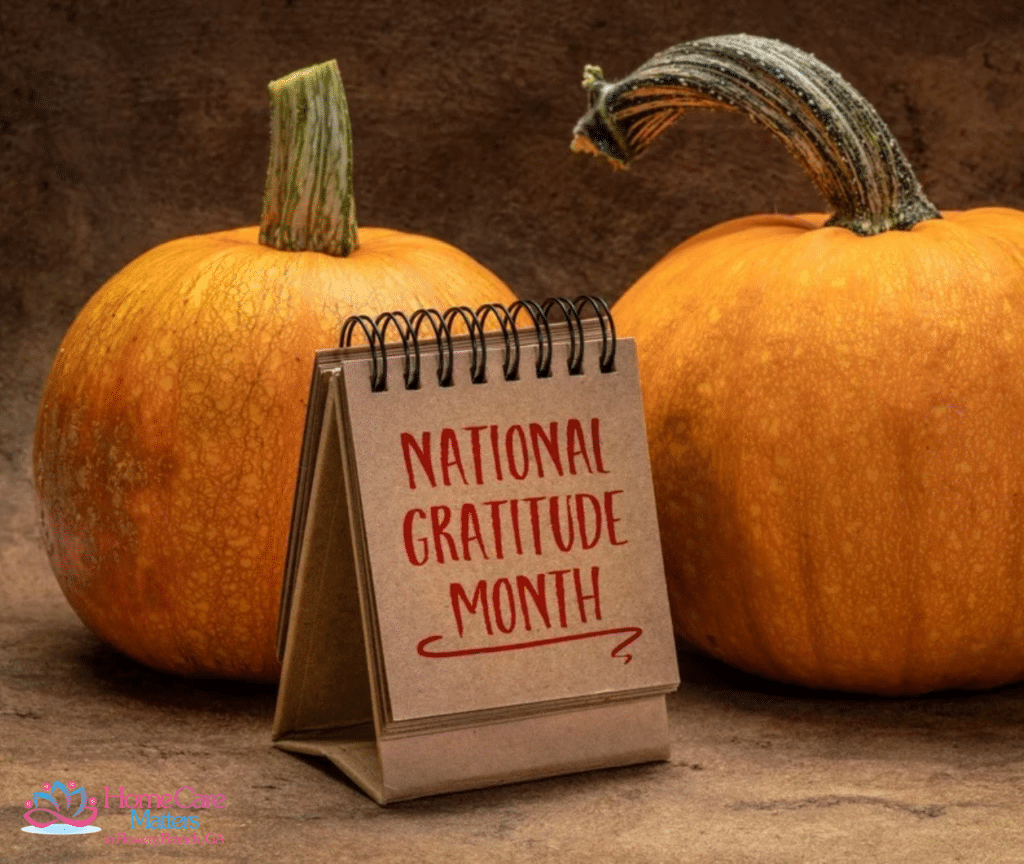
National Gratitude Month, observed throughout November, encourages people to recognize and appreciate the individuals, experiences, and relationships that enrich their lives. For older adults, expressing gratitude can provide opportunities to strengthen friendships, reconnect with family members, and develop a greater sense of belonging. Simple gestures such as making a phone call, writing a thank-you note, or sharing a meaningful memory can help create stronger social connections. During National Gratitude Month, families and caregivers can encourage activities that help older adults feel valued, included, and connected to others.
Why Are Social Connections Important for Older Adults?
Maintaining meaningful relationships is an important part of healthy aging.
Social connections can provide emotional support, companionship, encouragement, and opportunities to participate in enjoyable activities.
Older adults who regularly interact with family members, friends, and community groups may have more opportunities to share concerns, celebrate milestones, and receive practical assistance when needed.
Conversely, prolonged social isolation and loneliness can negatively affect emotional and physical well-being.
Not every older adult needs frequent social activities. Some prefer a small circle of close relationships.
The goal is to support connections that are meaningful and comfortable for each individual.
What Is National Gratitude Month?
National Gratitude Month is recognized during November as an opportunity to reflect on the positive aspects of life and express appreciation.
Thanksgiving also makes November a natural time for families to consider the importance of relationships.
Gratitude can be expressed in many ways, including thanking someone for their kindness, recognizing a caregiver’s efforts, or acknowledging a lifelong friendship.
For older adults, these expressions may provide natural opportunities to begin conversations and strengthen existing relationships.
How Can Expressing Gratitude Strengthen Family Relationships?
Family relationships can become more meaningful when people regularly acknowledge one another’s contributions.
Older adults may appreciate hearing how their guidance, encouragement, or family traditions have influenced younger generations.
Likewise, expressing appreciation for adult children, grandchildren, or other relatives can help reinforce positive connections.
Families can encourage gratitude through simple activities:
- Sharing favorite family memories
- Calling relatives to express appreciation
- Writing personal notes
- Looking through family photographs
- Discussing meaningful family traditions
- Thanking relatives for specific acts of kindness
These activities can create opportunities for conversation without requiring elaborate plans.
Can Gratitude Help Older Adults Reconnect With Friends?
Friendships sometimes become more difficult to maintain as people age.
Retirement, relocation, transportation challenges, health limitations, and the loss of loved ones may reduce opportunities for regular interaction.
National Gratitude Month offers a reason to reconnect.
An older adult might call a longtime friend, send a greeting card, or arrange a visit with someone they have not seen recently.
Expressing appreciation for a shared experience or friendship can make these conversations especially meaningful.
Even brief interactions may help maintain relationships when regular in-person visits are difficult.
How Can Gratitude Activities Reduce Feelings of Isolation?
Gratitude activities may encourage older adults to focus on meaningful relationships and identify opportunities for connection.
For example, creating a list of people they appreciate may inspire someone to reach out.
A gratitude journal can also provide an opportunity to reflect on positive experiences and supportive relationships.
However, gratitude should not be presented as a cure for loneliness, depression, or other mental health concerns.
Someone experiencing persistent sadness, withdrawal, or emotional distress may benefit from professional evaluation and additional support.
What Role Can Home Caregivers Play?
Professional home caregivers may provide valuable companionship while assisting older adults with daily responsibilities.
Depending on the care plan, caregivers may support activities such as:
- Writing thank-you cards
- Making phone or video calls
- Organizing family photographs
- Preparing for visits
- Attending community activities
- Participating in hobbies
- Sharing appropriate conversations
Caregivers can also encourage older adults to maintain relationships outside the caregiving arrangement.
Respecting personal preferences and independence remains important.
How Can Community Activities Encourage New Friendships?
Community involvement may help older adults develop relationships beyond their immediate families.
Libraries, senior centers, faith communities, volunteer organizations, and neighborhood groups may offer opportunities for social interaction.
During November, some organizations host Thanksgiving gatherings, appreciation events, or volunteer activities.
Older adults might participate in a community meal, help prepare cards for others, or attend a group activity.
Transportation, accessibility, health considerations, and personal interests should guide participation.
The most useful activities are those that the older adult genuinely enjoys.
Can Technology Help Older Adults Stay Connected?
Technology can provide additional ways to maintain relationships when distance or mobility limitations make in-person visits difficult.
Video calls, text messages, emails, and shared photo albums may help older adults communicate with family and friends.
Some individuals may need assistance learning how to use these tools.
Family members can help by choosing simple applications, adjusting accessibility settings, and providing patient instruction.
Technology should complement personal relationships rather than become a source of frustration or pressure.
How Can Families Include Older Adults During Thanksgiving?
Thanksgiving provides an opportunity to show appreciation while ensuring older relatives feel included.
Families can invite older adults to participate in activities that match their interests and abilities.
Someone who enjoys cooking might share a favorite recipe, while another person may prefer telling family stories or helping select music.
Accessible seating, manageable schedules, and transportation assistance can make gatherings more comfortable.
Families should also respect older adults who prefer smaller celebrations or shorter visits.
Meaningful inclusion matters more than the size of the gathering.
What Are Simple Ways to Practice Gratitude Every Day?
Gratitude does not require special events or expensive gifts.
Older adults and their families can incorporate appreciation into ordinary routines.
Examples include:
- Thanking someone for a thoughtful gesture
- Sharing one positive experience from the day
- Sending a short message to a friend
- Remembering someone who offered encouragement
- Recognizing the contributions of caregivers
- Offering kindness to a neighbor
These habits may create regular opportunities for conversation and strengthen relationships over time.
How Can Families Respect Different Social Preferences?
Not every older adult enjoys large gatherings, frequent phone calls, or organized activities.
Some people prefer quiet conversations, individual hobbies, or occasional visits.
Families should ask what types of interactions feel enjoyable rather than assuming that more social activity is always better.
Hearing limitations, mobility concerns, fatigue, and personal preferences may also affect participation.
Supporting meaningful social connections involves listening, offering choices, and respecting boundaries.
Why Should Gratitude Continue Beyond November?
National Gratitude Month provides a helpful reminder, but meaningful relationships require attention throughout the year.
Families can establish regular phone calls, occasional visits, shared activities, or other routines that fit everyone’s schedules.
Caregivers and community organizations can also help older adults identify opportunities to stay connected.
Small, consistent expressions of appreciation may be more meaningful than occasional elaborate gestures.
By encouraging gratitude, respecting individual preferences, and creating opportunities for companionship, families can help older adults maintain stronger relationships and a greater sense of belonging.
Legal Disclaimer: This post is strictly for educational use and should not be construed as professional advice (medical, legal, financial, or otherwise).

- How Can National Gratitude Month Encourage Stronger Social Connections for Older Adults? - October 27, 2026
- Why Should Families Talk About Their Medical Past During National Family Health History Day? - October 22, 2026
- Why Is World Pneumonia Day an Important Reminder About Respiratory Health for Older Adults? - October 20, 2026