
Aging is a natural part of life, and with the right approach, it can be a fulfilling and joyful stage. Staying healthy as we age involves more than just physical wellness—it also includes emotional, mental, and social well-being. For those who receive elder care, thoughtful routines and supportive environments help promote vitality and independence. But even without formal caregiving, seniors can take meaningful steps to live healthier and more rewarding lives.
The Role of Lifestyle in Healthy Aging
Lifestyle choices play a major role in how we age. Nutrition, exercise, sleep, and social engagement all influence the way our bodies and minds respond to the years ahead. Maintaining healthy habits not only supports physical strength but also helps reduce the risk of chronic illnesses like diabetes, heart disease, and osteoporosis.
For many older adults, elder care services can support these lifestyle changes by reinforcing positive habits. From preparing balanced meals to encouraging daily walks, caregivers often help seniors stay consistent in making choices that protect their long-term health.
Nutrition as the Foundation of Wellness
A balanced diet fuels the body and mind. Seniors should focus on meals rich in fruits, vegetables, whole grains, lean proteins, and healthy fats. Proper nutrition helps maintain energy levels, keeps the immune system strong, and supports heart and brain health.
Hydration is equally important, as dehydration can lead to fatigue, confusion, and increased risk of falls. Caregivers and family members can support seniors by offering water throughout the day and limiting processed foods high in sugar and sodium.
Cooking at home, when possible, ensures healthier choices and also makes mealtime a pleasant routine. Sharing meals with loved ones can add a layer of social connection, making dining both enjoyable and nourishing.
The Benefits of Regular Exercise
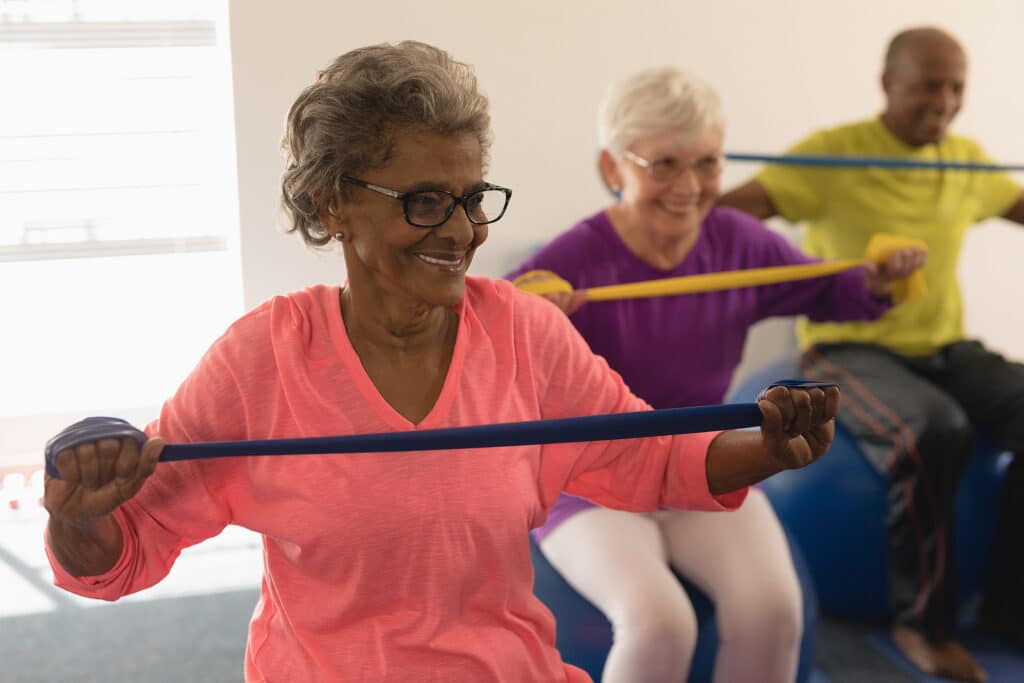
Movement is one of the best ways to preserve independence and vitality. Exercise doesn’t have to be intense—simple activities like walking, stretching, swimming, or yoga can strengthen muscles, improve balance, and keep joints flexible.
Regular activity also reduces the risk of falls, a leading concern for seniors, while boosting mood and lowering stress. Even light strength training can help maintain bone density, which is critical in preventing fractures.
Those receiving elder care may find exercise easier when guided by a caregiver, who can provide encouragement, monitor safety, and adapt routines to match the senior’s abilities.
Practical Tips for Staying Healthy
Healthy aging is about consistency and balance. Here are some key tips that support wellness:
- Eat a balanced diet rich in whole foods, fiber, lean protein, and healthy fats.
- Stay hydrated by drinking water regularly throughout the day.
- Exercise daily with low-impact activities like walking, yoga, or swimming.
- Prioritize sleep by keeping a regular bedtime and creating a restful environment.
- Stay socially active through community events, family gatherings, or regular calls.
- Schedule routine checkups for vision, hearing, dental, and general health.
- Create a safe home environment by improving lighting and reducing fall hazards.
- Keep the mind engaged with reading, puzzles, or learning new skills.
- Maintain purpose by volunteering, mentoring, or pursuing hobbies.
Prioritizing Mental and Emotional Health
Healthy aging is not just about the body—it’s also about the mind and spirit. Staying mentally active through reading, puzzles, learning new skills, or playing games helps keep memory sharp. Engaging in creative outlets such as painting, gardening, or music can also bring joy and reduce stress.
Equally important is emotional health. Seniors who maintain social connections often report greater life satisfaction. Regular visits with friends, family gatherings, or conversations with caregivers help prevent loneliness, which has been linked to health risks such as depression and cognitive decline.
Preventive Health Care and Routine Checkups
Regular medical checkups play a vital role in detecting health issues early. Annual physicals, vision and hearing tests, dental care, and screenings for conditions like high blood pressure or diabetes should remain a priority.
Vaccinations, including flu and pneumonia shots, provide added protection against illnesses that can be more serious in older adults. Caregivers can help by scheduling appointments, arranging transportation, and ensuring medications are taken as prescribed.
A Holistic Approach to Healthy Aging
Healthy aging requires attention to every aspect of life—physical, emotional, mental, and social. Elder care, when needed, provides valuable support by reinforcing healthy habits and helping seniors manage daily routines. But even outside of formal care, individuals can take proactive steps to protect their health and thrive as they age.
By focusing on nutrition, exercise, preventive health, social engagement, and emotional wellness, seniors can enjoy a vibrant and fulfilling life well into their later years.
If you or an aging loved one could benefit from elder care in Lawrenceville, GA, call Home Care Matters. We can answer your questions about home care and help you learn more about options for care. Call today (770) 965-4004.
Valerie has the unique experience with home care as she has experienced it from both ends of the spectrum, as a caregiver and as needing care herself as a cancer survivor. Valerie says, “Taking care of someone you love is a physically, mentally and demanding labor of love.Taking care of my mom was the hardest thing I have ever done. It has given me an insight and perspective not many people understand unless you are doing it or have done it.I loved taking care of my mom.I love helping others take care of their love ones too.And now that I’ve been sick, it’s given me a whole new level of empathy and understanding for those who are sick and need help.”
Valerie’s schedule varies daily, but she loves visiting with our clients, families, caregivers, our network partners and being in the office.Says Valerie, “Every day is different, but I wake up excited about what we do, inspired by our team, clients and caregivers.I strive to be a resource to the community.I love my team and I love what we do every day. I like to think my mom would be proud.”
You can reach Valerie by email (Valerie@homecarematters.com) or in our office (770.965.4004).
- How In-Home Alzheimer’s Care Helps Your Parent Stay Safe and Comfortable - December 26, 2025
- After the Fall: How Home Care Helps Seniors Recover Safely at Home - December 19, 2025
- Supporting Seniors with Memory Challenges Through Compassionate Senior Home Care - December 12, 2025