
October is Breast Cancer Awareness Month, a good moment to make sure mammograms—and any follow-up imaging—are on the calendar and easy to complete. For many families, the difference between “meaning to schedule” and “done” is a clear plan for logistics. With organized routines—and practical support from elder care for transportation, reminders, and note-taking—older adults can stay on track without adding stress to the week.
Why the schedule matters after 65
Age remains a key risk factor, which means consistent screening still counts. What often derails good intentions isn’t fear; it’s calendar drift, transportation hiccups, and misplaced paperwork. A predictable process lowers anxiety and helps seniors act quickly if more images are requested, keeping momentum and choice on their side.
Set the interval with your clinician
There’s no one-size-fits-all timetable. Ask your clinician whether ongoing screening mammograms are appropriate and how often, based on overall health, prior results, and personal preferences. Clarify the difference between screening (routine when there are no concerns) and diagnostic imaging (a closer look when something needs clarification). Once you’ve agreed, write the interval on the calendar now—and set a reminder a month ahead to schedule.
A simple three-step checklist
Use one easy list so the plan is the same every time:
- Before: verify location, arrival time, and instructions (many centers ask you to avoid heavy lotions/powders that day). Gather ID, insurance card, and the dates/locations of prior mammograms so images can be compared. Arrange a ride and place the appointment card on the fridge.
- Day-of: wear easy-on/easy-off layers and arrive early to avoid rushing. Bring hearing aids, glasses, and your current medication list.
- After: write down how and when results will arrive (portal, call, or letter) and the date by which you should follow up if you haven’t heard. If additional views are suggested, try to book them before you leave.
Make appointments stick (without juggling)
Consistency beats memory. Keep a visible monthly calendar by the phone or favorite chair. Use two reminders: one a week prior (to confirm ride and instructions) and one the day before (to set out clothes and the paperwork folder). A small “imaging folder” should hold your latest visit summary, prior imaging dates/locations, and any questions for the next appointment. If managing these details feels heavy, elder care can set reminders, organize the folder, and make sure it’s in the bag before you walk out the door.
Handle results and callbacks calmly
Many people receive a “needs more views” message at some point; it often means the radiologist wants a better angle or to compare images—not an immediate diagnosis. The key is speed and clarity: know who will contact you, by when, and what the next step is (additional images, ultrasound, or a follow-up date). Keep each report and date in your folder so you can answer, “When was my last mammogram?” without digging through stacks.
Reduce the little barriers that cause big delays
Small comforts make the day smoother. Plan extra time for parking and check-in. If mobility is limited, request wheelchair assistance at the entrance. For vision or hearing differences, ask staff to face you when speaking and to provide written instructions to take home. Choose appointment times that match energy peaks—morning for early risers, early afternoon for late starters. These small choices turn a stressful errand into a predictable routine.
How elder care supports steady follow-through
Non-medical elder care is the glue that keeps logistics from slipping. Caregivers can:
- Provide door-through-door assistance—helping with coats, mobility devices, and check-in.
- Track dates, place scheduling calls as requested, and set gentle reminders so nothing sneaks past.
- Bring the imaging folder, confirm how results will arrive, and jot down practical details you want to remember later.
- Keep the home “command center” tidy—calendar up to date, latest instructions on top, older versions filed.
They don’t make medical decisions, but they make your decisions easier to carry out, week after week.
Keep a simple record that travels with you
A one-page imaging log prevents confusion: appointment date, location, and a brief note like “routine screening—normal” or “additional views scheduled.” Tape a copy inside your folder and save a photo on a phone if that’s comfortable. When care involves multiple clinics, this quick snapshot helps new providers compare apples to apples without delay.
Respect dignity, privacy, and preferences
Ask the senior how they want to structure the day—who accompanies them, when to leave home, and how results should be shared (portal, phone call, or in person). Use large-print summaries if vision is changing. Keep sensitive documents in a designated place so they’re easy to find and easy to put away.
Closing
Breast Cancer Awareness Month is a practical reminder to turn good intentions into dependable habits: decide the right interval with your clinician, use a simple three-step checklist, and keep records in one place. With organized routines—and the day-to-day help of elder care for rides, reminders, and paperwork—older adults can stay on schedule for mammograms and follow-ups with less worry and more confidence.
If you or an aging loved one could benefit from elder care in Flowery Branch, GA, call Home Care Matters. We can answer your questions about home care and help you learn more about options for care. Call today (770) 965-4004.
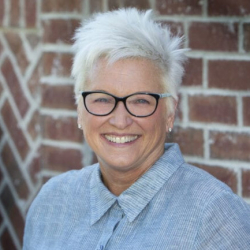
Valerie has the unique experience with home care as she has experienced it from both ends of the spectrum, as a caregiver and as needing care herself as a cancer survivor. Valerie says, “Taking care of someone you love is a physically, mentally and demanding labor of love.Taking care of my mom was the hardest thing I have ever done. It has given me an insight and perspective not many people understand unless you are doing it or have done it.I loved taking care of my mom.I love helping others take care of their love ones too.And now that I’ve been sick, it’s given me a whole new level of empathy and understanding for those who are sick and need help.”
Valerie’s schedule varies daily, but she loves visiting with our clients, families, caregivers, our network partners and being in the office.Says Valerie, “Every day is different, but I wake up excited about what we do, inspired by our team, clients and caregivers.I strive to be a resource to the community.I love my team and I love what we do every day. I like to think my mom would be proud.”
You can reach Valerie by email (Valerie@homecarematters.com) or in our office (770.965.4004).
- How In-Home Alzheimer’s Care Helps Your Parent Stay Safe and Comfortable - December 26, 2025
- After the Fall: How Home Care Helps Seniors Recover Safely at Home - December 19, 2025
- Supporting Seniors with Memory Challenges Through Compassionate Senior Home Care - December 12, 2025