
A stroke can change life in an instant—for both the individual and their family. The journey to recovery often begins in the hospital, but the most critical progress happens afterward, once the person returns home. That transition can feel overwhelming, with new routines, therapy schedules, and the need for constant attention. Post-hospital care bridges that gap, providing the personalized, hands-on support that helps stroke survivors regain strength, independence, and confidence.
At Home Care Matters, we see every recovery as a partnership built on patience, compassion, and practical assistance. With the right help at home, the path forward becomes steadier, safer, and more hopeful.
Understanding the Transition from Hospital to Home
Returning home after a hospital stay should be a relief, but it often brings anxiety and uncertainty. Hospital staff are no longer just down the hall, and families may feel unprepared for the physical and emotional demands of stroke recovery. Tasks that once seemed simple—standing, bathing, eating, or speaking—can suddenly feel unfamiliar or impossible.
This is where post-hospital care becomes so valuable. Caregivers are trained to help individuals safely adjust to daily life at home, providing steady guidance and encouragement. The goal is to support recovery while preventing complications that could send the person back to the hospital.
The Importance of Post-Hospital Care
Every stroke survivor has unique needs depending on the severity and type of stroke. Post-hospital care ensures that recovery plans are tailored to those specific circumstances. Caregivers assist with physical routines, reinforce therapy exercises, and provide a structured environment that encourages progress without overwhelming the person.
They also play a key role in reducing hospital readmissions. Studies show that many post-stroke hospitalizations are preventable, often caused by medication errors, falls, or missed medical appointments. Having reliable support at home helps manage these risks. Caregivers ensure medications are taken correctly, monitor for warning signs like dizziness or confusion, and help maintain a safe, organized living space.
Supporting Physical Recovery and Daily Living
Physical recovery after a stroke is gradual. Strength, balance, and coordination must be rebuilt through repetition and encouragement. Caregivers involved in post-hospital care often assist with daily exercises prescribed by physical or occupational therapists. They help the individual move safely, whether it’s transferring from bed to chair, using mobility aids, or taking short walks to build endurance.
Beyond physical therapy, caregivers also help with daily living tasks that might now feel challenging. This includes bathing, dressing, grooming, meal preparation, and light housekeeping. These small acts of support make daily life manageable and allow the stroke survivor to focus their energy on recovery rather than frustration.
Even simple routines—getting dressed, eating breakfast, or taking a short walk—can become milestones of progress. Having a caregiver nearby provides both safety and encouragement, helping rebuild confidence step by step.
Emotional and Cognitive Support After Stroke
Recovery from a stroke isn’t only physical—it’s emotional and cognitive as well. Many survivors experience mood swings, memory issues, or speech difficulties. Frustration and sadness are common as they navigate new limitations or communication barriers.
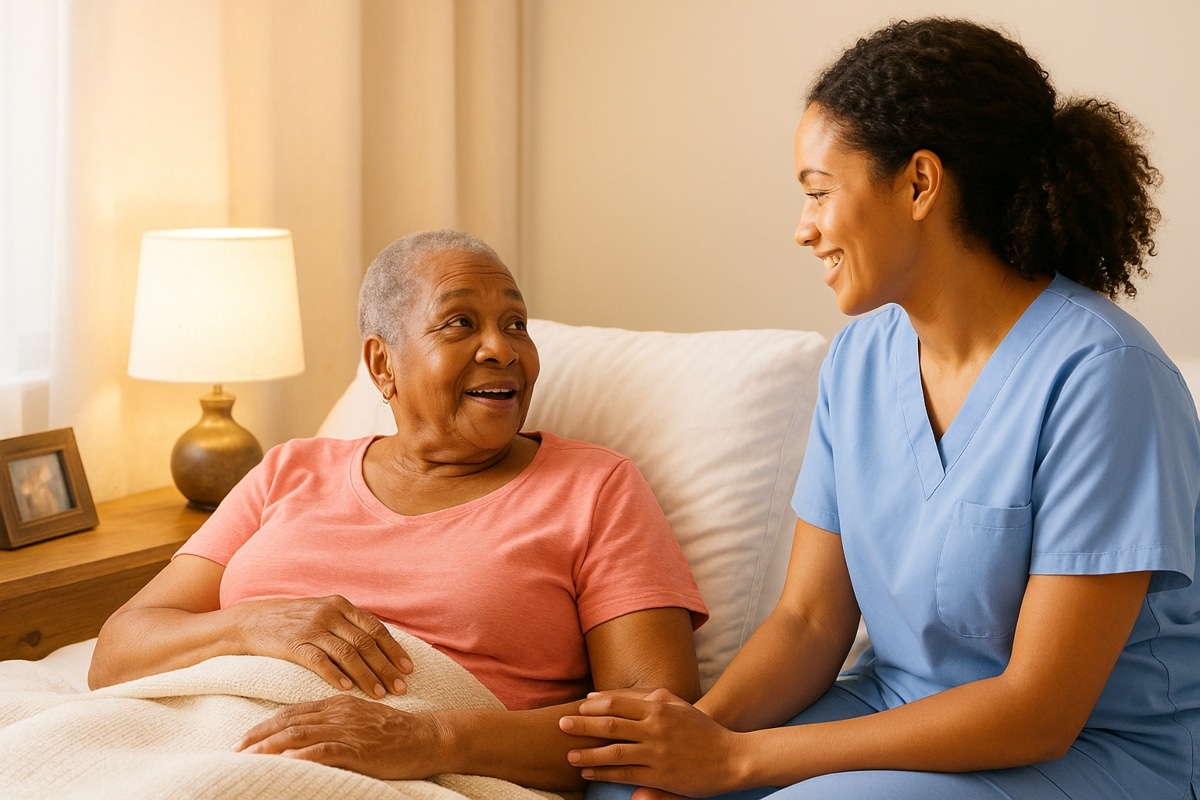
Post-hospital care includes emotional support that’s just as important as physical assistance. Caregivers provide reassurance during difficult moments, encourage patience, and celebrate every improvement, no matter how small. Their steady presence helps reduce fear and isolation, reminding the person that recovery is possible.
In addition, caregivers can help with cognitive exercises—such as reading aloud, practicing speech therapy activities, or using memory games to strengthen focus and recall. These activities keep the mind engaged and help restore daily function.
Family Involvement in Recovery
Family members play a crucial role in recovery, but caregiving after a stroke can be exhausting. Without the right support, burnout can happen quickly. Professional post-hospital care allows families to stay involved without feeling overwhelmed.
Caregivers communicate closely with families, keeping them updated on progress and any changes in behavior or health. They can help teach safe transfer techniques, assist with medication tracking, and provide respite so family members can rest. This shared approach helps everyone feel supported and confident in their roles.
Having professional help at home also reduces tension. Family caregivers can focus more on emotional connection rather than medical management, spending time talking, laughing, or sharing a quiet meal—moments that strengthen hope and connection throughout recovery.
Creating a Safe and Supportive Home Environment
A safe home environment is essential after a stroke. Falls and injuries are common risks, especially during the early weeks of recovery. Caregivers can assess the home and make practical adjustments—like removing tripping hazards, improving lighting, or rearranging furniture for wheelchair access.
They also help reinforce healthy routines: balanced meals, proper hydration, regular rest, and timely medication. These habits contribute directly to long-term recovery. The presence of a trained caregiver ensures that daily life remains structured, predictable, and calm—key elements for healing both body and mind.
Regaining Independence and Hope
The road to recovery after a stroke can be long, but it’s also full of potential. With consistent post-hospital care, progress becomes visible and achievable. Each small step—standing a little longer, walking a little farther, or remembering a new word—represents strength regained.
At Home Care Matters, we believe that stroke recovery should happen in a setting that promotes dignity, confidence, and connection. Our caregivers work closely with families and healthcare teams to ensure every person receives attentive, individualized care. When professional support meets compassion, healing becomes a shared journey.
Recovery doesn’t happen overnight, but with guidance, patience, and the right help at home, life after a stroke can once again feel steady, meaningful, and full of possibility.
If you or an aging loved one could benefit from post-hospital care in Oakwood, GA, call Home Care Matters. We can answer your questions about home care and help you learn more about options for care. Call today (770) 965-4004.
Valerie has the unique experience with home care as she has experienced it from both ends of the spectrum, as a caregiver and as needing care herself as a cancer survivor. Valerie says, “Taking care of someone you love is a physically, mentally and demanding labor of love.Taking care of my mom was the hardest thing I have ever done. It has given me an insight and perspective not many people understand unless you are doing it or have done it.I loved taking care of my mom.I love helping others take care of their love ones too.And now that I’ve been sick, it’s given me a whole new level of empathy and understanding for those who are sick and need help.”
Valerie’s schedule varies daily, but she loves visiting with our clients, families, caregivers, our network partners and being in the office.Says Valerie, “Every day is different, but I wake up excited about what we do, inspired by our team, clients and caregivers.I strive to be a resource to the community.I love my team and I love what we do every day. I like to think my mom would be proud.”
You can reach Valerie by email (Valerie@homecarematters.com) or in our office (770.965.4004).
- How In-Home Alzheimer’s Care Helps Your Parent Stay Safe and Comfortable - December 26, 2025
- After the Fall: How Home Care Helps Seniors Recover Safely at Home - December 19, 2025
- Supporting Seniors with Memory Challenges Through Compassionate Senior Home Care - December 12, 2025