As people age, maintaining safety and independence becomes an important priority. One of the most serious risks affecting older adults is falling. Falls are a leading cause of injury among seniors and can significantly impact mobility, confidence, and overall quality of life. For families and caregivers, understanding the importance of fall prevention is essential to protecting the health and independence of aging loved ones.
In 2026, healthcare professionals and senior care specialists continue to emphasize preventive strategies, safer home environments, and modern monitoring technologies to reduce fall risks. With the right knowledge and proactive planning, many falls can be prevented, allowing seniors to live safely and confidently.
Understanding the Risks of Falls in Seniors
As the body ages, natural physical changes can increase the likelihood of falls. Muscle strength may decrease, balance may become less stable, and reaction times may slow down. Vision changes and certain medications may also affect coordination and awareness of surroundings.
Even a minor fall can lead to serious injuries such as fractures, head trauma, or reduced mobility. Recovery from injuries may take longer for seniors, and in some cases, a fall can lead to long-term health challenges.
Beyond physical injuries, falls can also create emotional effects. Seniors who experience a fall may develop a fear of falling again, which can limit physical activity and reduce independence.
Why Fall Prevention Supports Independence
Preventing falls is not only about avoiding injuries—it also plays a key role in maintaining independence. When seniors feel safe moving around their homes and communities, they are more likely to remain active and engaged in daily life.
Mobility allows older adults to perform everyday tasks such as preparing meals, participating in hobbies, and socializing with others. When falls occur frequently, seniors may require increased assistance or supervision, which can affect their ability to live independently.
By focusing on fall prevention strategies, families can help seniors maintain confidence in their physical abilities and continue living comfortably in their own homes.
Identifying Common Fall Hazards at Home
Many falls occur inside the home due to environmental hazards that can be easily addressed. Identifying and removing these hazards is one of the most effective ways to improve safety.
Loose rugs, cluttered walkways, and electrical cords can create tripping risks. Poor lighting in hallways or stairways can make it difficult for seniors to see obstacles. Slippery bathroom floors can also increase the chance of falling.
Improving home safety may include installing brighter lighting, using non-slip mats in bathrooms, adding grab bars near showers and toilets, and ensuring that staircases have sturdy handrails. These small changes can significantly reduce the likelihood of accidents.
Strength and Balance Are Key to Prevention
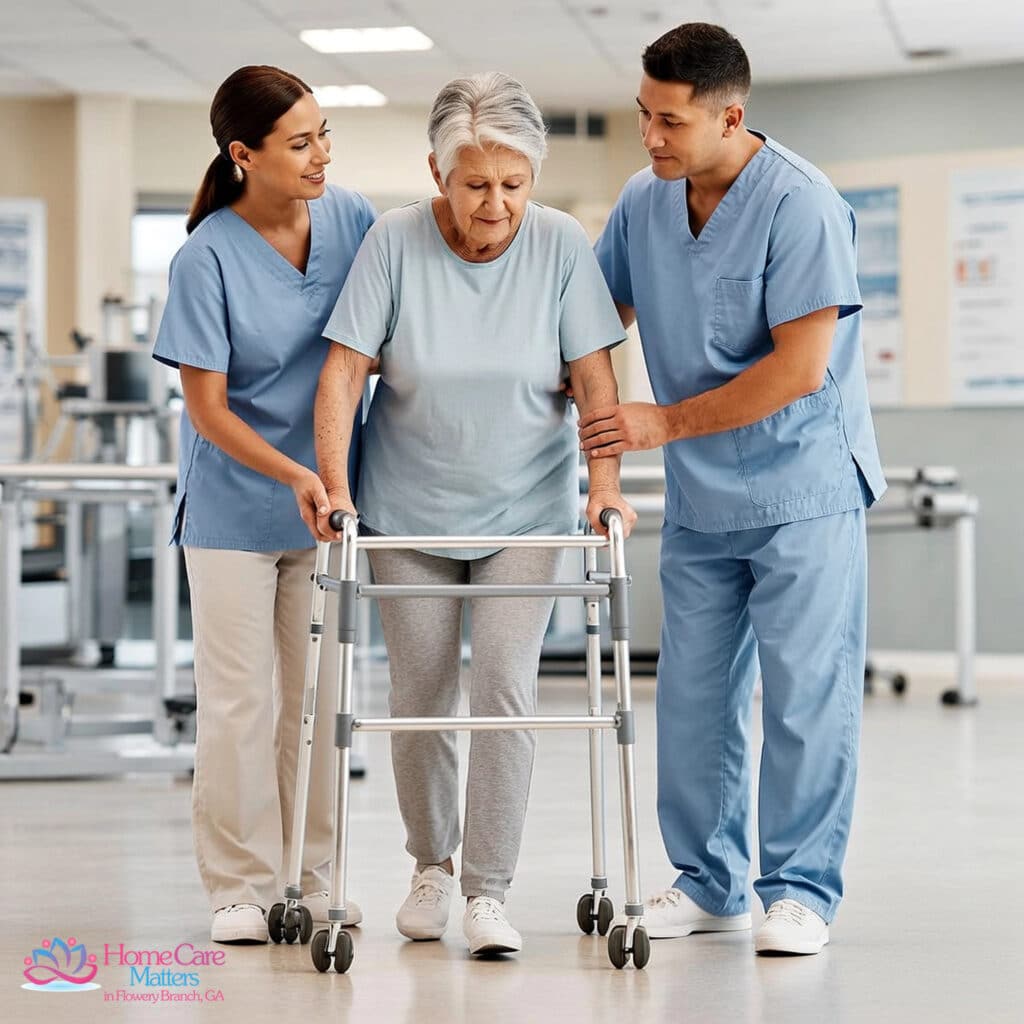
Physical strength and balance play a major role in fall prevention. As muscles weaken over time, seniors may struggle to maintain stability while walking or standing.
Regular physical activity helps improve balance, coordination, and muscle strength. Activities such as gentle stretching, walking, or low-impact exercise programs designed for older adults can help maintain mobility and reduce fall risk.
Healthcare professionals often recommend exercises that focus specifically on balance and core strength. These exercises support better posture and stability during daily movements.
Vision and Hearing Health Matter
Vision and hearing changes can also increase the risk of falls. Difficulty seeing obstacles or hearing environmental cues may affect a senior’s ability to navigate safely.
Regular eye examinations help ensure that vision problems are detected and corrected early. Proper lighting at home and clearly marked steps or pathways can also help seniors move more safely.
Hearing health is equally important. When seniors can hear environmental sounds clearly, they are better able to respond to potential hazards.
Medication Awareness
Many seniors take multiple medications, and some medications may cause side effects such as dizziness, drowsiness, or changes in blood pressure. These side effects can increase the likelihood of falls.
Regular medication reviews with healthcare professionals can help identify potential risks. Adjusting dosages or changing medications when necessary can improve safety and reduce unwanted side effects.
Families should also encourage seniors to take medications exactly as prescribed to avoid complications.
Technology and Fall Prevention in 2026
Advances in healthcare technology are providing new ways to support fall prevention. Modern wearable devices and smart home systems can monitor movement patterns and detect falls automatically.
Many wearable health trackers now include fall detection sensors that send alerts to caregivers or emergency contacts if a fall occurs. These systems can provide quick assistance when needed.
Smart home technology is also improving safety. Motion sensors can activate lighting automatically when someone enters a room at night, reducing the chance of accidents in dark areas. Some systems can monitor daily activity patterns and notify caregivers if unusual changes occur.
Telehealth platforms allow seniors to consult healthcare professionals from home, making it easier to address mobility concerns or receive guidance on fall prevention strategies.
Encouraging a Culture of Safety
Creating a safe environment requires cooperation between seniors, families, and caregivers. Open conversations about safety concerns help ensure that risks are addressed before accidents occur.
Families can support seniors by regularly checking the home environment, encouraging healthy routines, and helping them stay active. When seniors feel supported rather than restricted, they are more likely to adopt safety measures that protect their well-being.
Education about fall prevention also empowers seniors to make informed choices about their health and daily activities.
Supporting Safe and Independent Aging
Fall prevention is a crucial part of protecting the health, mobility, and independence of older adults. By addressing environmental risks, supporting physical health, monitoring medications, and embracing modern technology, families can create safer living environments for seniors.
Preventive care helps seniors maintain confidence in their daily activities and continue enjoying meaningful experiences. With awareness, preparation, and ongoing support, many fall-related risks can be significantly reduced.
Helping seniors stay safe today not only protects their health but also ensures they can maintain independence and quality of life for years to come.
Legal Disclaimer:
This post is strictly for educational use and should not be construed as professional advice (medical, legal, financial, or otherwise).

- How Can World Food Day Encourage Better Nutrition and Healthy Aging? - September 24, 2026
- How Can Food and Drug Interactions Awareness Week Promote Safer Medication Use for Older Adults? - September 22, 2026
- How to Judge the Reliability of Online Information - September 18, 2026